



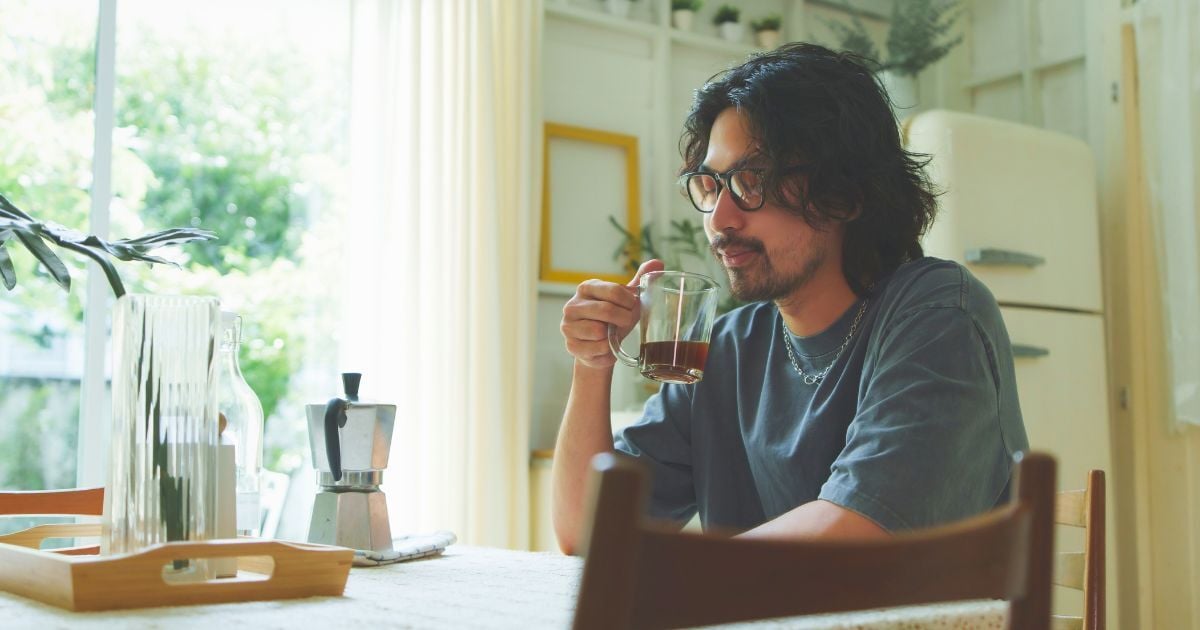
 Living on your own can be an exciting experience. You get to enjoy more freedom, privacy, and control over your space. However, becoming more independent also comes with a learning curve. From paying bills to keeping up with household chores, you will have plenty of new responsibilities to navigate. But you’re not alone, as 1 in 4 households in the U.S. consists of someone living by themselves. Here’s how to make the transition easier.
Create a budget
One of the first things you should do when considering the jump from living with others to living on your own is to create a budget. When you live alone, you’re responsible for every cost. Rent, utilities, groceries, gas, and streaming services can all add up, so make sure they fit into your monthly budget before making the move.
You may also need to accept that you can't purchase every piece of furniture, appliance, or decoration you want right away. You may have to take your time curating your pieces as your budget allows. Practicing delayed gratification can help you avoid overspending and ensure you have enough money for all essential payments each month.
Master household basics
If you live with your parents or roommates, you may not have experienced completing every chore by yourself. Cleaning the toilets, washing the dishes, scrubbing the shower, taking out the trash, dusting, and more will now fall on you. Since you’re responsible for the entire space, it’s important to establish a cleaning routine that works with your schedule.
Staying on top of regular home or apartment maintenance is also important. Learn how to unclog a drain, replace a light bulb, and know when you need to call for professional help. Schedule quarterly and yearly maintenance in advance, such as changing any filters or flushing the water heater. Having a clear plan and good time management will help you prevent responsibilities from piling up.
Learn to cook
Living alone means you don’t get to rely on someone else to prepare dinner. Not only is learning to cook a valuable life skill, but it’s also a good way to cut down on food delivery or takeout costs. Plus, preparing food at home gives you more control over the ingredients you use and makes it easier to work toward your health goals.
You can start by learning a few simple recipes that use affordable ingredients and don’t require too many steps. Meal prepping can make busy weeknights easier and help you resist the temptation to reach for DoorDash when you don’t feel like cooking. After a while, you’ll become more confident in your abilities in the kitchen while saving money on meals.
Make your payments on time
One advantage of living with others is that you can often split expenses. When you live by yourself, you’re solely responsible for making all payments. Missing rent, utility, or credit card payments can result in late fees and other financial consequences.
To stay on top of your bills, set up automatic payments whenever possible or use calendar reminders to keep track of upcoming due dates. It's a good rule of thumb to keep all your bills and payment information organized in one place. This way, you can easily see which payments are coming up and how much you owe.
Schedule time for friends and family
It's important to be intentional about maintaining relationships with friends and family. Without roommates or family members around, you may find yourself going longer periods of time without in-person interaction. Make it a priority to schedule regular phone calls, plan weekend visits, or invite friends over for dinner or a movie night.
Having a strong support system can make the transition to living alone easier and help prevent feelings of loneliness or isolation. Even as you grow more independent, remember that staying connected with the people you care about is just as important as learning to enjoy your own company.
Try new activities
One of the best parts of living alone is having the freedom to spend your time however you want. You can take advantage of this opportunity to explore new hobbies, activities, and interests. Sign up for a cooking class, attend a weekly trivia or book club night, or join a recreational sports league.
Additionally, trying out nearby coffee shops, restaurants, or parks can help you become more familiar with your surroundings and feel more at home in your new place. You might discover a new passion or meet people you wouldn't have otherwise crossed paths with.
Practice good safety tips
Being mindful of the safety and security of your home is especially important when living by yourself. Although you may be excited to share your new place, avoid giving too much information about your living arrangements to strangers or on social media. Make it a habit to lock your doors and windows, even when you're home.
Get to know the security features of your apartment building or home, and consider giving a family member a spare key. Have important contacts like your landlord, property manager, utility company, or a trusted friend readily available. Small precautions can go a long way toward helping you feel safe and giving you peace of mind.
Embrace solitude
Living alone can take some getting used to, especially if you're accustomed to having family members or roommates around. You may experience moments when the quiet feels unfamiliar, and you wish you had someone to talk to. Instead of viewing alone time negatively, learn to enjoy your own company.
Use the opportunity to decorate your space to reflect your personality, declutter your belongings, stay up late watching the Lord of the Rings movies, or simply enjoy a quiet evening crafting. Learning to feel comfortable on your own is an important part of becoming more independent.
Prepare for emergencies
From an appliance breaking to an unexpected medical expense, emergencies can happen when you least expect them. When you live alone, you won't always have someone nearby to help handle the situation. Start by building an emergency fund to cover unexpected expenses, ideally by aiming to set aside three to six months of living expenses over time.
You should also keep basic supplies on hand, such as a first-aid kit, flashlight, batteries, and basic tools. In addition to having some funds tucked away, having some extra supplies can make a difference in feeling prepared for a financial emergency.
Make new connections
Just because you have your own space, it doesn't mean you have to spend all your time alone. Making friends as an adult is more challenging, but taking the time to get to know your neighbors can help you feel more comfortable and connected in your new environment. Introduce yourself when you see someone in the hallway, attend community events, or start a conversation while getting the mail.
You don't have to become best friends with everyone, but having friendly neighbors can make your new place feel more like home. It can also be helpful to have someone nearby you can reach out to if you need a hand.
Save money where possible
Since you’re in charge of your household expenses, you will have plenty of opportunities to save money. Start with everyday habits, like turning off lights when you leave a room, adjusting your thermostat, and being mindful of water usage.
Additionally, you can look for small ways to reduce your monthly expenses, such as comparing internet and utility providers, shopping secondhand for furniture, and canceling subscriptions you rarely use. Being intentional about your spending habits and finding small ways to stretch your budget can help make living alone more affordable.
Don’t be discouraged
Don’t be discouraged when you don’t have everything figured out right away. You might forget to pay a bill, burn dinner, or realize that you’ve been forgetting to clean a hidden nook or cranny. These experiences are normal and provide opportunities to learn.
Instead of getting frustrated with yourself, give yourself some grace and take things one step at a time. Building a healthy routine and allowing yourself time to adjust can help make the difference. Soon, the tasks that originally felt overwhelming will begin to feel more natural.
Living on your own comes with plenty of responsibilities, but it also gives you the opportunity to grow and discover your preferences. There will be challenges along the way, but practicing gratitude for what you have and avoiding comparing your lifestyle to others will help you prevail. Whether you're moving out of your parents' home for the first time or simply trying something new, we hope you have an enjoyable experience and use these tips for living alone to become more confident in your abilities.
WHAT'S NEXT?👭A 🛋️It' |